
ADU Contractor Leads: Qualifying for a Long Sale
An ADU lead can take months to become a contract. Here is how to count its cost, which criteria matter most, and how to keep the conversation alive through design and permits.
Home Lead Supply6 min read
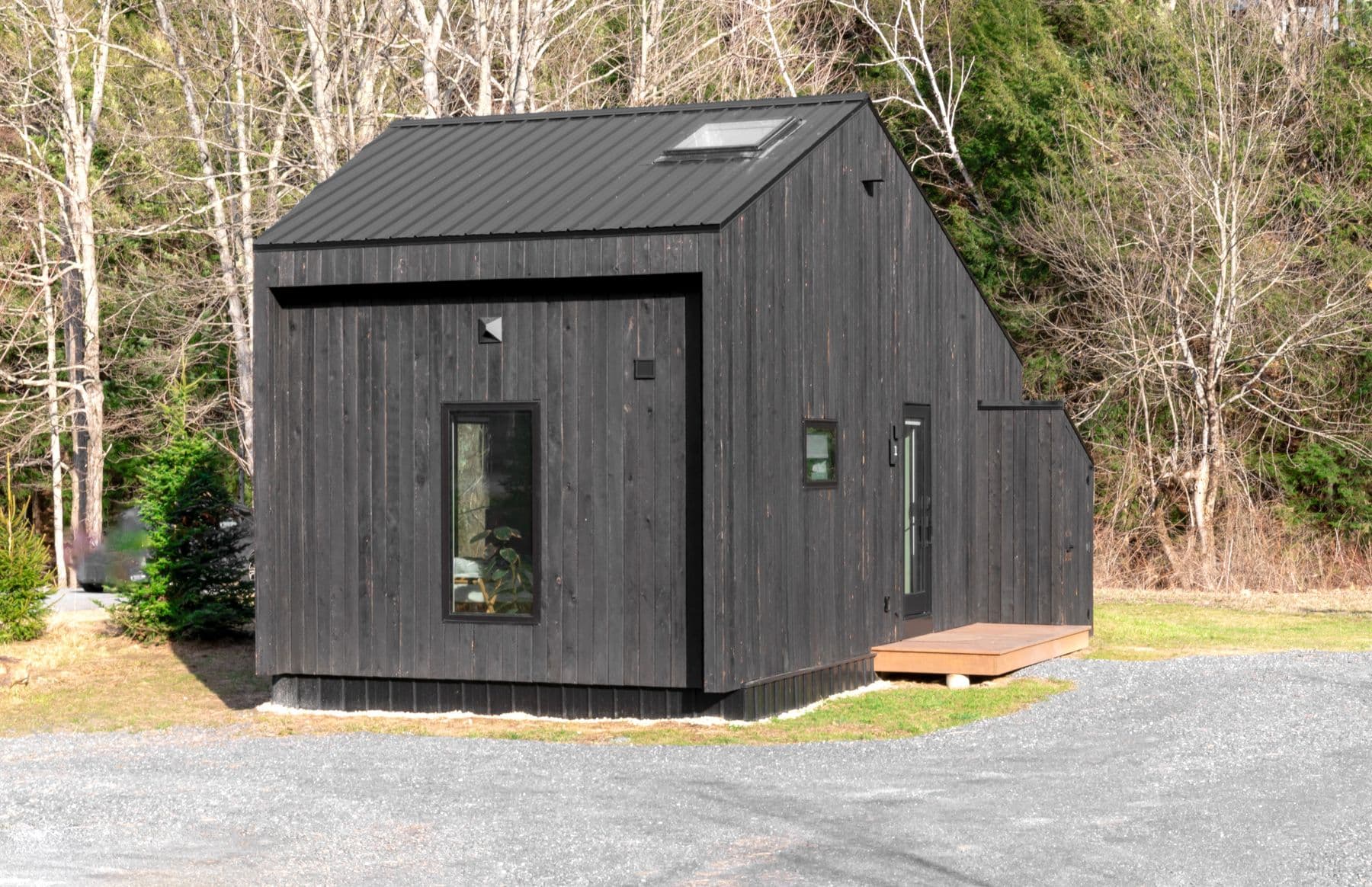
A window lead can turn into a signed contract within a week. An ADU lead can go through a site visit, a feasibility conversation, design, plans, a permit application and a financing decision first. That doesn't make ADU leads worse. It means the usual lead math, the follow-up process and the cash timing all need adjusting before you buy.
Short answer: ADU contractor leads are worth buying when your cost per signed contract, counted across every stage of a long sales cycle, fits inside the gross profit on the builds you sell, and your cash position can carry the months between buying a lead and starting construction. Screen for ownership or authority, jurisdictions you build in, ADU type and plan status. Then follow up on a schedule that lasts as long as the sale does.
Why ADU leads behave differently
Three things set ADU work apart from most home improvement trades.
- More stages. A homeowner goes from interest to feasibility to design to plans to permit to contract. Each stage loses some people.
- More decision makers. Owners, sometimes co-owners, sometimes a family member who will live in the unit, and sometimes a lender.
- More time. Money spent on leads this month may not show up as a signed build until much later, and the timing depends partly on the city.
Any honest judgment of a lead source has to account for all three.
The math: cost per signed contract over a long cycle
Count every stage your company uses. For a design-build ADU company it might look like this:
Leads per signed contract = 1 divided by (contact rate x site visit rate x design agreement rate x construction contract rate)
Cost per signed contract = price per lead x leads per signed contract
Maximum price per lead = (gross profit per build x share of gross profit you will spend on marketing) divided by leads per signed contract
Here is a worked example. The rates are placeholders to show the arithmetic, not market data. Replace each one with numbers from your own pipeline.
| Input | Example value (replace with yours) |
|---|---|
| Contact rate | 60 percent |
| Site visit rate | 40 percent |
| Design agreement rate | 35 percent |
| Construction contract rate | 50 percent |
| Leads per signed contract | 1 / (0.6 x 0.4 x 0.35 x 0.5) = about 24 |
At about 24 leads per signed contract, your ceiling per lead is your marketing allowance per build divided by 24.
Two things stand out in ADU math. First, there are more stages to lose people at, so small improvements at each stage compound. Lifting the site visit rate from 40 to 50 percent in this example takes leads per contract from about 24 to about 19. Second, if you charge for design or feasibility work, that fee comes back into the math. It lowers your real cost per signed contract and can filter out homeowners who are not ready to move forward.
Cash timing
Add one more line to your plan: months from lead to construction start. Leads bought in a given month produce revenue when construction starts, not when the lead arrives. Make sure your cash can carry that gap before you size an order.
Criteria that matter for ADU leads
Before the lead is sent
- Ownership or authority. The person asking owns the property or is authorized by the owner.
- Jurisdiction. The cities and counties you build in and whose planning process your team knows.
- ADU type. Detached, attached or garage conversion, whichever you build.
- Plan status. Whether the homeowner already has city-approved plans. If you only build from approved plans, agree that before launch. A design-build company may prefer homeowners who are still planning.
Home Lead Supply asks for four answers before an ADU lead is sent: the ZIP code, the ADU type, whether the person owns the property or is authorized by the owner, and whether they have city-approved plans. Your service area and any additional criteria we agree with you, such as approved plans, are set before launch. Each lead is exclusive: sent to you only. If a lead misses the agreed criteria, it does not count toward your order, and another qualified lead takes its place. The ADU leads page shows what is screened, and what makes a qualified home improvement lead explains how to turn the jobs you want into criteria.
On your first site visit
- Lot size, setbacks and where utilities connect
- The intended use: family, rental income or a home office
- How the homeowner plans to pay for it, and whether a lender is already involved
- Who else decides, and what timeline they have in mind
Use the permit timeline in your sales conversation
Some homeowners assume the city is the slowest part of the process. If you build in California, state law gives you something concrete to tell them. For a lot with an existing home, Government Code section 66317 gives the permitting agency 60 days from receiving a completed application to approve or deny an ADU permit, and that period pauses if the applicant asks for a delay. When the ADU is submitted together with a permit for a new home, the agency may wait until it acts on that permit. The clock starts only when the application is complete, so it doesn't cover design and plan preparation. Your job in the sales conversation is to explain what "complete" takes and how long your team needs to get there. If you build outside California, check your state and city rules before quoting any timeline.
Speed to lead still matters on a long sale
A long sales cycle doesn't make the first call less urgent. The homeowner who asked about an ADU today may be comparing ideas today, and an early, useful conversation can shape how they think about the project.
- Send each lead to a named person by SMS or your CRM.
- Call as soon as you can during business hours. Open with the ADU type and plan status they gave.
- Book the site visit on the call and ask who else owns or decides on the property.
- Confirm by text with the name of the person visiting and what they will look at.
Follow-up that lasts as long as the sale
- Track stages in your CRM: contacted, site visit, feasibility, design, plans submitted, permit, contract. You can't calculate leads per signed contract without them.
- Set the next contact date at every stage, tied to something real, such as a design review or a city comment.
- Send progress, not reminders. A note that the plans are ready for review gives the homeowner something to act on, which a generic check-in does not.
- Keep the source on every record, so a lead bought early in the year is still credited when it signs later.
What can help close rate for ADU builders
- A clear feasibility answer early: can this lot take the unit the homeowner wants
- A scope and price range that covers design, permits, utilities and construction, not just the build
- Photos and addresses of your own completed units, where owners agree
- A financing conversation, if you offer or refer one
- A named project lead the homeowner can reach through design and permitting
When buying ADU leads makes sense, and when it does not
It makes sense when your company has design and permitting capacity as well as build capacity, knows the jurisdictions it serves, tracks its pipeline by stage and can carry the time between lead and construction.
It doesn't fit when your cash can't carry a long cycle, when you would take planning-stage leads without the design capability to serve them, or when you are asked to build in cities whose process your team doesn't know. It doesn't fit if you expect a supplier to deliver signed builds. The pay per lead model covers what a supplier can and can't be held to.
An order is a set number of leads at a price per lead fixed for that order. Size it to the site visits your team can run and follow through. When the order is done, review the results and agree any changes before the next one.
No seller we can find publishes an ADU lead price at all, and the nearest listed categories are Home Additions and Garage Construction. What the published lists do and do not cover, with sources, is in how much contractors should pay for qualified leads.
If the math works with your own numbers, tell us the cities you build in and the ADU types you offer. Check ADU Lead Availability
Frequently asked questions
What is an ADU contractor lead?
A property owner, or someone authorized by the owner, in a city you build in, asking about an ADU type you offer, with their plan status recorded. The criteria are agreed with your company before the first lead is sent.
Should I take ADU leads that do not have approved plans yet?
Only if you offer design and plans, or work with someone who does. Planning-stage homeowners need more steps before a construction contract. If you only build from approved plans, agree approved plans as a criterion before launch.
How long does it take to judge an ADU lead source?
Long enough to see leads reach a signed contract, which for ADUs can mean months. Judge the source on stage-by-stage rates as they come in, and on cost per signed contract once enough leads have gone the full distance.
How fast do cities approve ADU permits?
It depends on the state and the city. In California, for a lot with an existing home, Government Code section 66317 gives the permitting agency 60 days from receiving a completed application to approve or deny it, and that period pauses if the applicant asks for a delay. Plan preparation before that is not part of the clock.